The Identity Shift Teachers Face in Retirement.

Our Mission
Background
Each year, roughly 7-8% of teachers in the United States retire or quit. Of this percentage, around 31% are retirees (1). 7% of teachers leaving per year equals about 210,000 - 250,000 teachers leaving annually, and if 30% of those are retirees, that is around 65,000 - 80,000 per year. Since 2019, we can estimate that around 400,000 to 500,000 teachers have likely retired. (2)
Retirement rates during COVID for teachers were relatively stable, and overall, there wasn’t a large nationwide spike. (3) As an entire nation of workers, the U.S. saw around 2.4 million excess retirements during the pandemic. Retirement rates rose especially among ages 55-64 and in public-facing jobs like education. (4)
COVID had an effect on students, but also teachers. School closures and remote learning led to significant drops in academic performance, especially in math and literature. (5) Many students are still behind pre-pandemic levels years later. Disruptions affected social development and foundational skills, with some students struggling even after going to school in general. (6)
Teachers faced burnout and increased stress during COVID due to rapid changes and an overload of work. They had to quickly adapt to online instruction, changing policies, and student needs, with very little support. (7) High stress contributed to burnout, turnover, and early retirements.
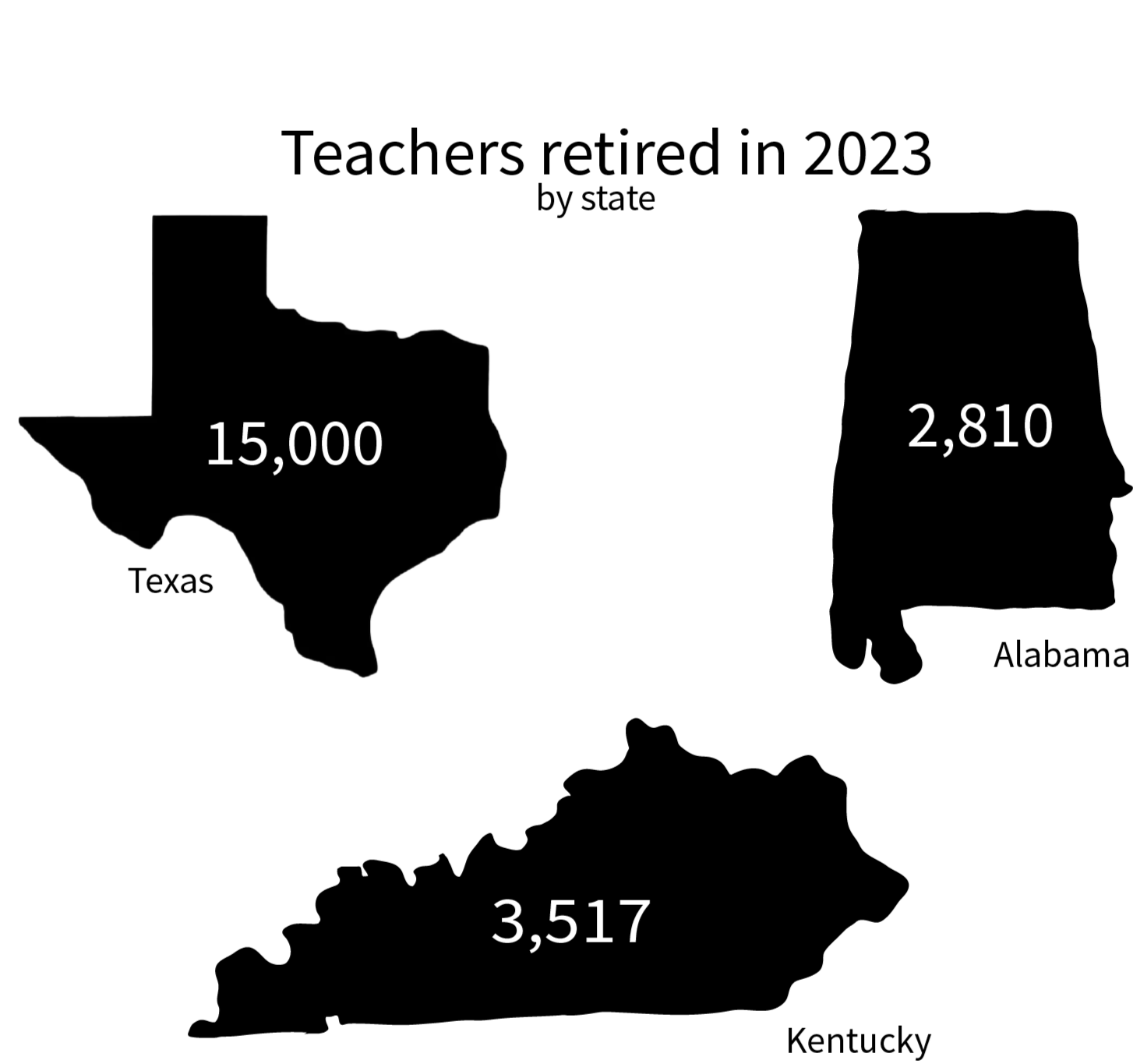
Our goal is to shine light on the identity shift teachers face during the stages of retirement. Some face positive identity shifts while engaging themselves in new hobbies, while others face a negative identity shift, getting themselves into a dark hole of hopelessness due to loss of identity.
When it can feel as though your purpose is stripped away from you once you step away from teaching or working in schools, there are ways to prevent this from happening during retirement.
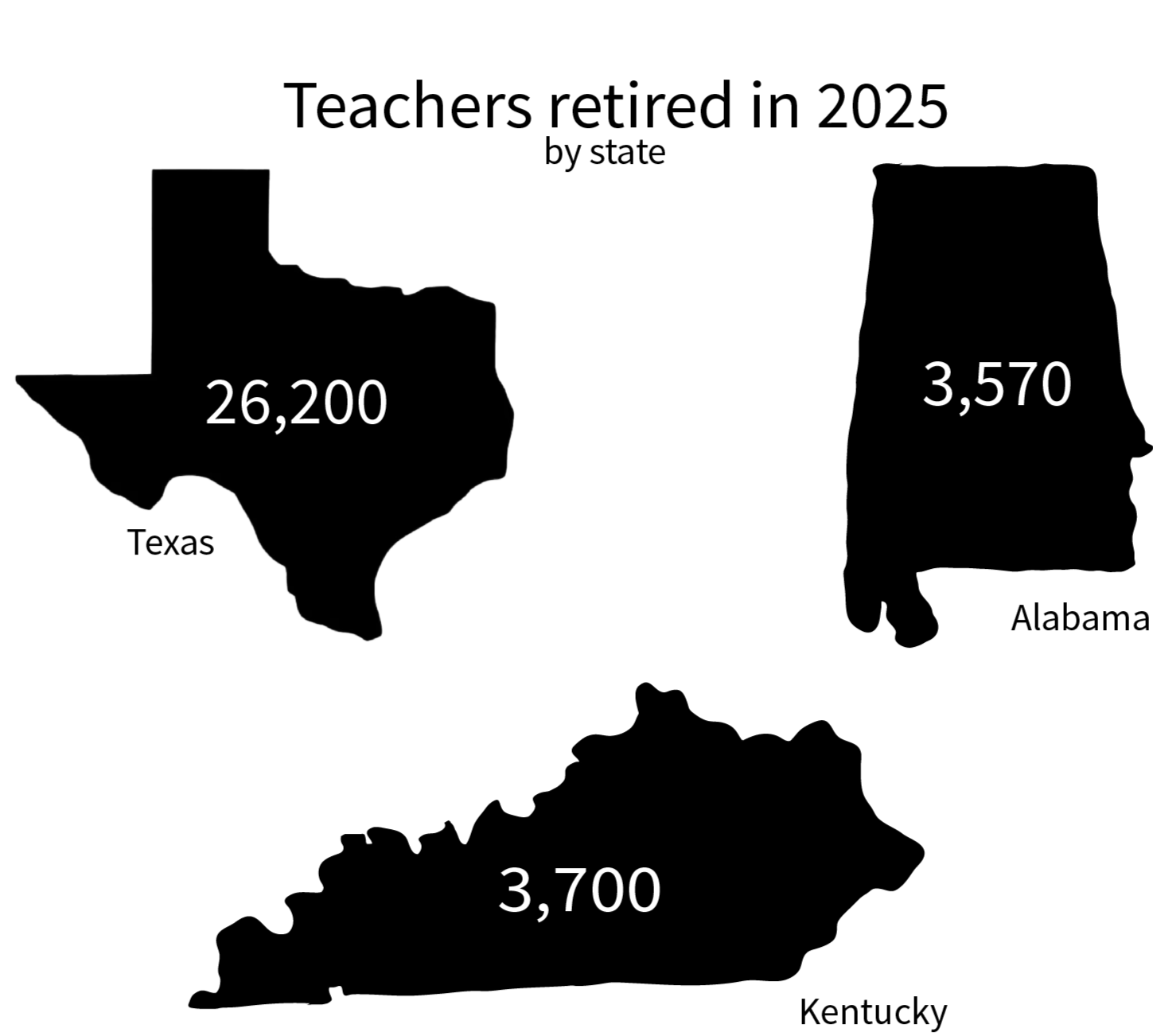
Fewer People Becoming Teachers
Before the COVID pandemic in 2018-2019, there were around 3.7 million K-12 teachers in the United States. (14) As of 2025, there were about 3.24 million teachers in the U.S. (15). There has been a large decline of people becoming teachers. This is a multifaceted problem that has been growing for years and is due to lingering results of the COVID-19 pandemic. (16) Teachers face low pay, leading to financial concerns, high workloads, burnout, substitute shortages, larger class sizes, and challenging certification requirements, making prospective teachers not want to follow through with certifications.